Zelensky Ties Ukraine To Broader Effort Against Iran’s Axis
Ukraine is demonstrating, both in word and in deed, that it can help shape the shared fight against today’s revisionist axis. Here’s hoping that the Trump administration takes notice.
As of late March 2026, the strategic landscape of Operation Epic Fury has shifted from a high-intensity “shock” campaign to a calculated war of attrition. According to Brig. Gen. (res) Eran Ortal, the conflict has entered a decisive third phase where the combined industrial and logistical weight of the United States, Israel, and the Gulf states is systematically dismantling the Iranian regime’s ability to project power.
With the Iran war in its third week, questions are swirling over the administration's aims, its conduct of the conflict and the trajectory that Iran itself might take.
The US’ tactical successes against Iran would have a greater effect if they served broader objectives.
In the early morning hours of January 3, 2026, the Trump Administration launched "Absolute Resolve," a military operation to apprehend Venezuelan dictator Nicolas Maduro and remove him from office. The effort marked the most consequential U.S. intervention in Latin America in decades, involving large-scale coordinated intelligence, air and special operations assets.
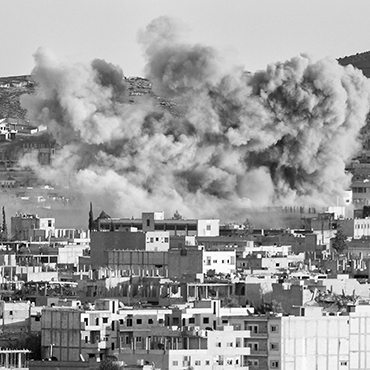
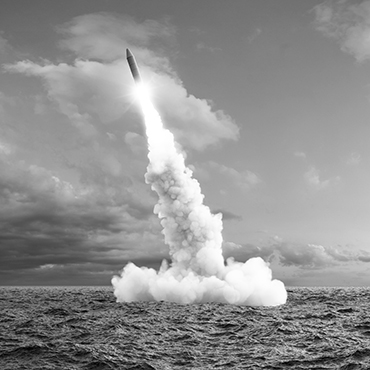
Iran is pounding U.S. military positions across the Middle East with missiles and cheap but highly effective drones, killing U.S. troops and wreaking havoc across the Persian Gulf. The cost to the U.S. of its defensive systems far exceeds the cost of Iran’s drones, and America and its regional partners are burning through their air defenses.
Providing cutting edge insights into Central Eurasia, from Turkey to western China
Offering critical analysis on political, military, and social developments in and around the People’s Republic of China
Crafting informed, bipartisan policy toward Islamic extremism in the post-9/11 era
Examining how emerging technologies impact U.S. national security and the future of warfare
Elevating America’s voice in the new Information Age
Mapping security and strategy in Asia and the Indo-Pacific
Analyzing regional security and emerging threats in the greater Middle East
Exploring the politics and security of Russia and Ukraine
Shaping a vision for the next strategic frontier
Helping the United States to navigate a complex international environment
AFPC is widely recognized as a source of timely, insightful analysis on issues of foreign policy, and works closely with members of Congress, the Executive Branch and the policymaking community. It is staffed by noted specialists in foreign and defense policy, and serves as a valuable resource to officials in the highest levels of government.